Petsylo is an independent directory. We may earn a commission when you click through.
Humane Society of Tampa Bay: Big Reach, Real Trade-Offs
A Tampa shelter with dogs, cats, foster care, surrender support, and veterinary programs, plus a 4.5-star rating from nearly 5,000 reviews.
30-Second Take
The Humane Society of Tampa Bay is a high-volume shelter with a broader support system than its adoption listings alone suggest. It serves dogs and cats, handles adoptions and surrenders, supports foster homes, and runs affordable veterinary and spay/neuter programs from 3607 N Armenia Ave. The public listing shows a 4.5-star rating from 4,999 reviews, which is strong for a busy municipal-area shelter.
The trade-off is scale. The organization reports 5,131 animals saved, 21,679 treated, and 9,705 surgeries, but also lists a 43% save rate. That figure needs context, yet it signals a demanding operation rather than a small rescue where every animal receives extensive one-on-one attention.
The Humane Society of Tampa Bay
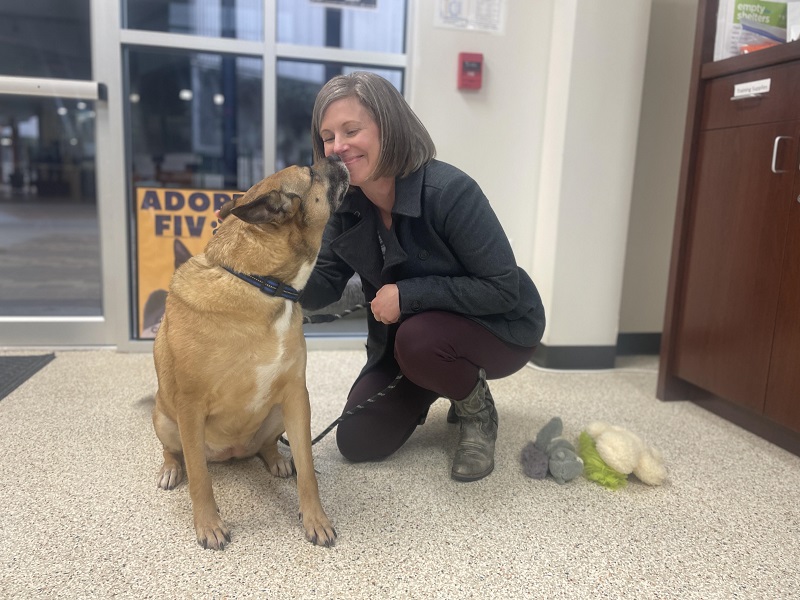
A large Tampa shelter combining dog and cat adoption with foster care, surrender help, veterinary services, and community cat programs.

How the Tampa Process Works
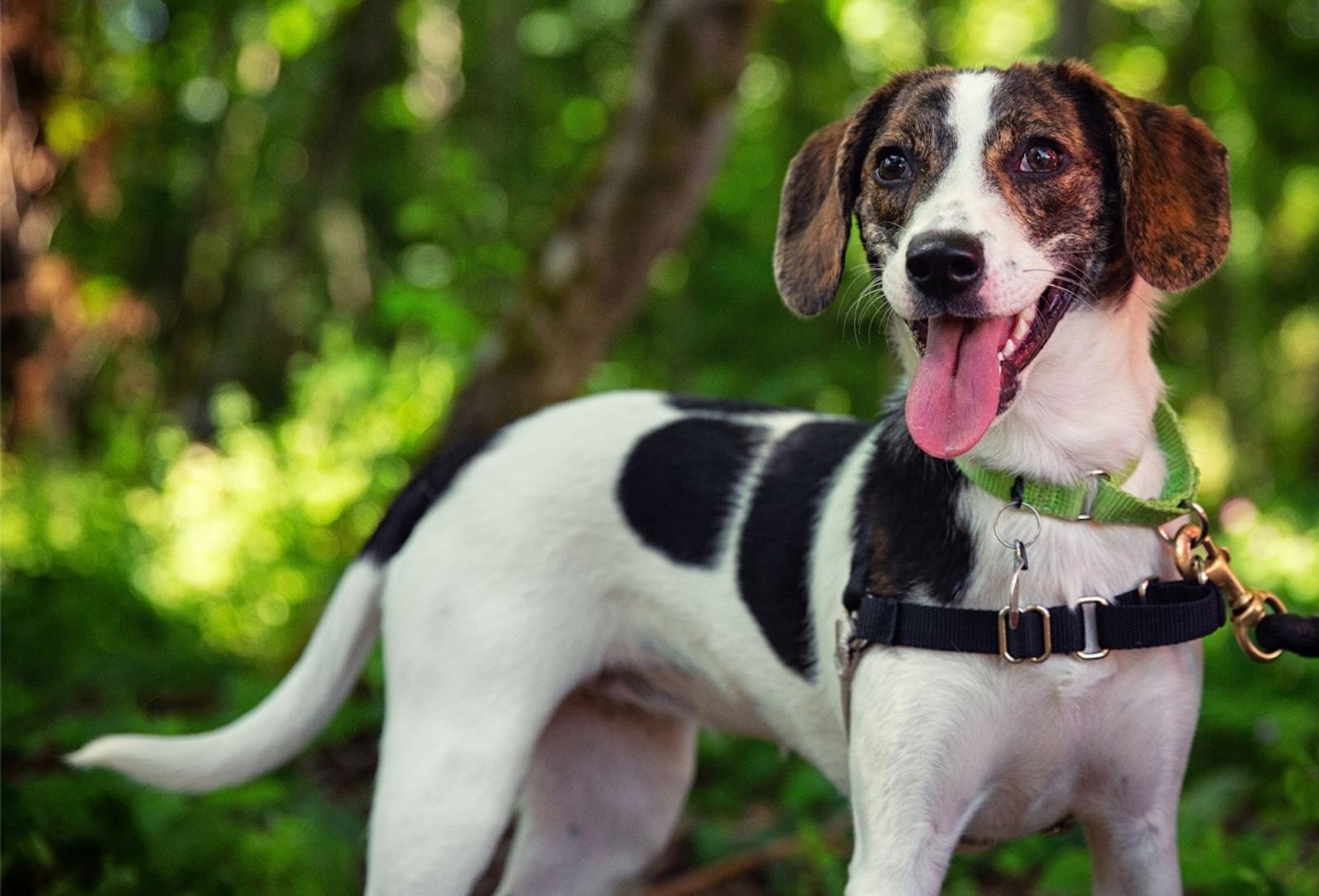
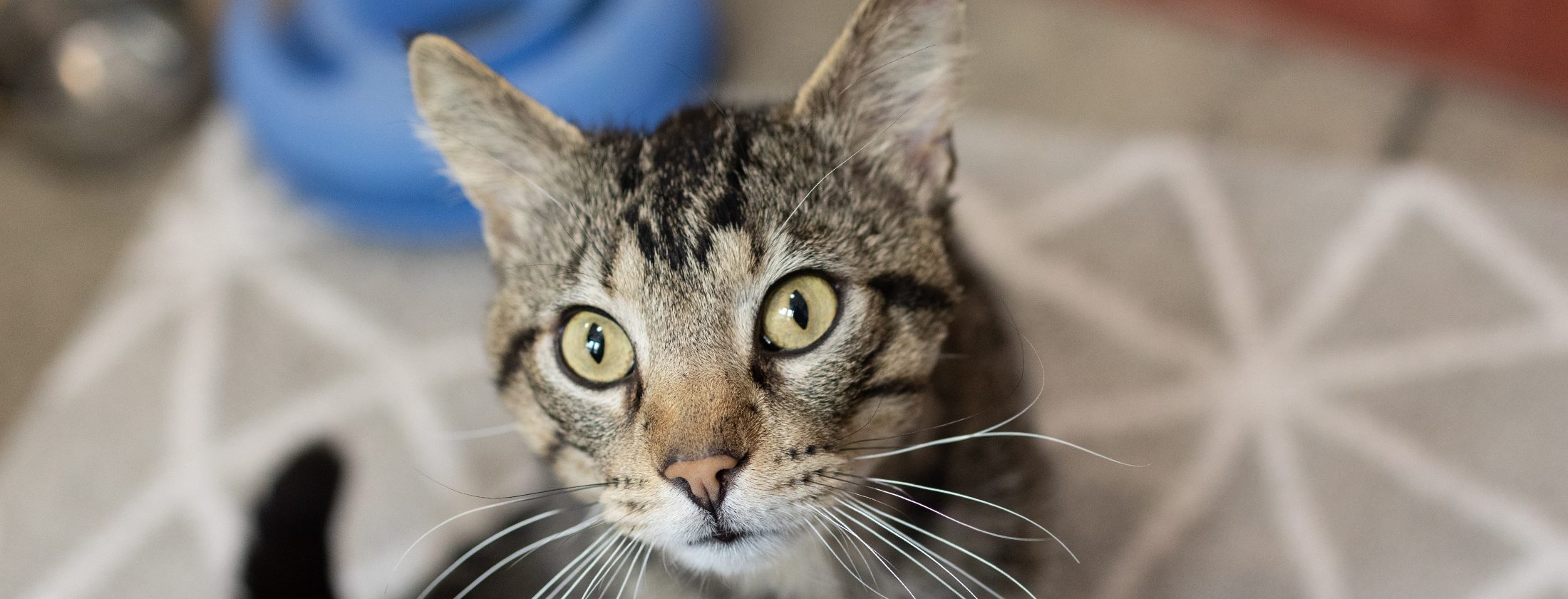
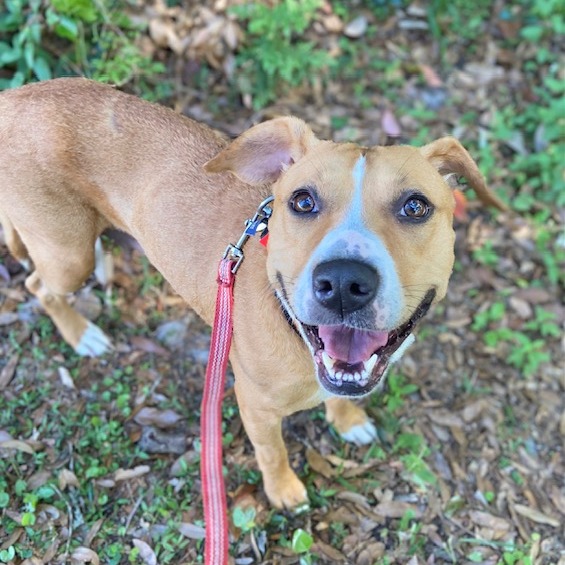
Start with the Humane Society of Tampa Bay’s official site before driving over. The available animals, visiting instructions, and adoption details can change quickly, especially for young dogs and popular cat breeds. The practical sequence is usually: browse available pets, confirm visiting details, meet the animal, complete the application, and discuss whether the match works for your home.
The source material does not publish a universal dog fee, cat fee, wait time, home-check rule, or landlord requirement. That matters. Do not assume the common shelter ranges of $250–$350 for dogs or $75–$150 for cats apply here. Ask about the exact animal’s fee and what it includes before you commit.
The organization lists more than adoption. Its programs include foster care, pet surrender, pet assistance, veterinary services, spay/neuter care, humane education, and TNVR for community cats. That makes it useful even if adoption is not your immediate plan. A family trying to keep a pet at home may find assistance more helpful than surrendering the animal.
What to bring and ask
- Photo identification and proof of address, if requested during the application
- Landlord approval or lease information if you rent
- Details about current pets, children, work hours, and fencing
- Questions about medical history, behavior notes, medications, and return policies
- A plan for transportation and the first 48 hours at home
Call (813) 876-7138 before visiting if you need a specific animal, service, or accommodation confirmed. Popular pets can move quickly, while senior, shy, or medically complicated animals may need a slower introduction.
Where It Wins
The biggest strength is breadth. Many shelters can help you adopt; this one also connects adoption with medical care, foster placement, surrender support, and community-cat work. That is a meaningful difference for Tampa residents facing a veterinary bill or a housing problem.
- ✅ Serves both dogs and cats
- ✅ Offers adoption, foster, surrender, spay/neuter, and veterinary programs
- ✅ Supports community cats through TNVR
- ✅ Reports 21,679 animals treated and 9,705 surgeries
- ✅ Holds a 4.5-star public rating across 4,999 reviews
- ✅ Centrally located on North Armenia Avenue in Tampa
The less obvious advantage is the medical infrastructure. A shelter reporting nearly ten thousand surgeries is not simply moving animals through kennels; it has substantial treatment capacity. That can be reassuring when you are considering an older pet, an animal recovering from illness, or a dog with a medical note that needs careful follow-up.
Compared with a small foster-only rescue, the Humane Society of Tampa Bay is likely to have more animals and more on-site services. Compared with a private rescue such as SPCA Tampa Bay, the experience may feel less boutique, but the range of programs is a real benefit for people who need help before adoption.
Where It Falls Short
The website information supplied for this review leaves out the details adopters usually care about most: exact fees, age requirements, application timing, home checks, adoption holds, and post-adoption return terms. That does not prove the policies are poor. It does mean you should verify them directly instead of arriving with assumptions.
- ❌ No universal adoption-fee schedule is provided in the available page content
- ❌ No standard application turnaround or wait time is stated
- ❌ The reported 43% save rate may concern adopters who expect a no-kill model, and the organization does not identify that figure’s definition here
- ❌ A high-volume facility can mean more kennel noise and less individual attention per animal
- ❌ Popular puppies, small dogs, and young cats may be adopted before you can arrange a visit
The 43% save-rate figure deserves a direct question. It may reflect a particular reporting method, intake period, or definition of “saved,” but the supplied page does not explain it. Ask the shelter how the number is calculated and what protections or outcomes apply to animals who are not adopted.
Best Fit
Choose this if you are a first-time adopter in the Tampa area who wants access to dogs or cats plus veterinary and behavioral guidance, and you can visit in person without needing a guaranteed same-day match. The shelter also makes sense for experienced adopters open to seniors, bonded animals, or pets with medical needs.
Renters should confirm pet limits and landlord approval before applying. Families with children should ask for a supervised meet-and-greet and specific behavior notes rather than relying on a kennel impression. Apartment residents can find suitable animals here, but the right match depends on energy level, noise, separation tolerance, and your daily schedule—not simply whether the animal is small.
Skip this if you need a fixed fee, a guaranteed appointment time, or a highly individualized foster-rescue process. A smaller foster network may provide more detailed home matching, while a high-volume shelter is better suited to people who can handle some uncertainty and make decisions after meeting the animal.
Final Verdict
The Humane Society of Tampa Bay is best for Tampa-area adopters with a flexible schedule, a realistic budget for initial veterinary care, and an interest in dogs or cats beyond the youngest animals. Its medical and community programs are stronger than a basic adoption storefront, and the review volume suggests many visitors leave satisfied. The missing fee and process details, plus the unexplained 43% save-rate figure, keep it from being an automatic recommendation.
Call before visiting, check the current listings, and ask direct questions about fees, medical records, return rules, and how the shelter defines its outcome numbers. If you are comparing Florida shelters, the Louisiana SPCA: Adoption Steps and Surprises is a useful next read for a different adoption process and set of expectations.