Petsylo is an independent directory. We may earn a commission when you click through.
Nebraska Humane Society: Big Reach, Practical Support
Omaha’s Nebraska Humane Society handles dogs and cats, fostering, surrender, and spay/neuter services from its Fort Street campus.
Big Shelter, Broad Services
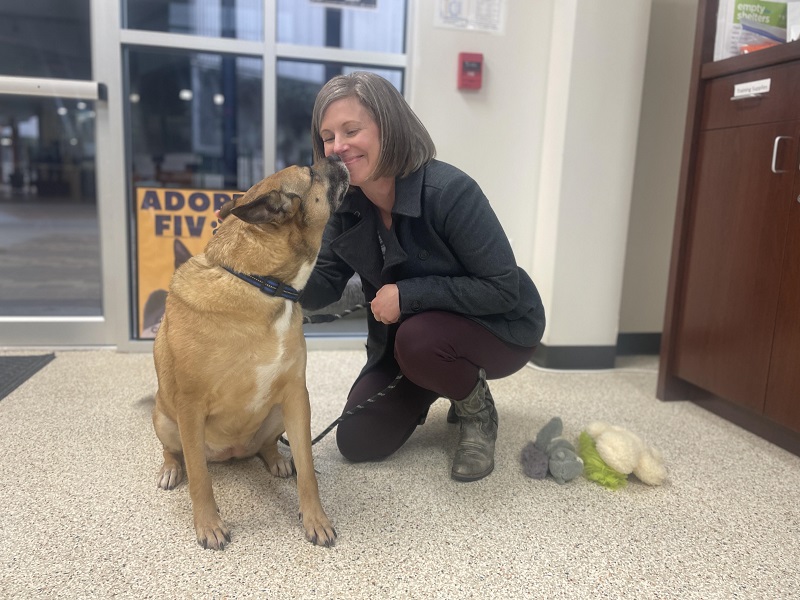
The Nebraska Humane Society is the kind of shelter that can handle more than a Saturday adoption visit. Its Omaha campus serves dogs and cats and also connects people with fostering, surrender support, spay/neuter services, lost-and-found help, volunteering, and dog training.
That breadth matters. A small rescue may offer more one-on-one matching, but it may not have the same mix of intake, medical, behavioral, and community services under one roof. The trade-off is scale: a busy shelter can feel less personal, especially when popular animals are adopted quickly.
The shelter is located at 8929 Fort St, Omaha. Its listed rating is 4.2 stars from 3,496 reviews, which suggests broad public approval without pretending every visit will be effortless.
Nebraska Humane Society
A large Omaha shelter with adoption, fostering, surrender, spay/neuter, training, and lost-pet support.

How to Use the Shelter
Start with the Nebraska Humane Society’s official website to browse adoption information, check services, and confirm current hours before driving across Omaha. The practical sequence is:
- Browse: Review available dogs and cats online when listings are available.
- Visit: Go to the Fort Street facility and ask staff about an animal’s behavior, medical history, energy level, and household fit.
- Meet: Spend time with the animal before committing. Ask about introductions to children, dogs, or cats when relevant.
- Apply: Complete the shelter’s current adoption process and provide any housing information requested.
- Prepare: Have landlord approval if you rent, plus a plan for transportation, food, veterinary care, and the first few quiet days at home.
The supplied public information does not list current adoption fees, age requirements, home-check rules, or wait times. Do not rely on generic shelter fee ranges; call (402) 444-7800 or confirm the details online before visiting. Fees and requirements can vary by animal.
Beyond adoption, the shelter lists foster care, animal surrender, and spay/neuter services. Its calendar also shows dog training classes, including a drop-in class this fall. That is useful after adoption, especially for first-time dog owners who need help with leash manners or settling into a new routine.
Where It Wins
- ✅ More than adoptions: Foster, surrender, spay/neuter, lost-and-found, volunteer, and training services give residents several ways to get help.
- ✅ Dogs and cats: The shelter serves both major companion-animal categories, so visitors are not limited to one type of pet.
- ✅ Established local presence: A Fort Street facility and thousands of public reviews make it easier to verify location, contact details, and visitor expectations.
- ✅ Training access: The listed drop-in dog training class is a welcome detail that many adoption pages leave out.
The less obvious advantage is continuity. Someone who cannot adopt today may still be able to foster, use spay/neuter services, volunteer, or seek lost-pet assistance. That makes the organization useful even when adoption is not the immediate answer.
Where It Falls Short
- ❌ Key adoption details are not available in the supplied information: Fees, eligibility rules, and processing times need direct confirmation.
- ❌ Scale can mean less individual attention: A high-volume shelter may not provide the same extended matching process as a foster-based rescue.
- ❌ Popular animals may move fast: If you have your heart set on a puppy, young dog, or specific breed mix, online listings can change before you arrive.
- ❌ Animal fit still requires work: A shelter listing cannot replace a meet-and-greet, honest household assessment, and a plan for decompression at home.
Compared with a private foster network such as Midlands Humane Society, Nebraska Humane Society appears better suited to people who want a physical shelter and several public services in one place. A foster-based rescue may offer deeper household knowledge for a particular animal, but usually with fewer walk-in services and a slower matching process.
Who Should Visit First
Best for an Omaha-area adopter who wants a dog or cat from a physical shelter, can visit during operating hours, and is willing to ask detailed questions rather than choosing from a photo alone. It also works well for experienced pet owners open to adult animals, foster placements, or pets needing extra patience.
First-time adopters should bring a short checklist: daily schedule, household members, existing pets, landlord rules, outdoor access, and a realistic monthly care budget. A fenced yard is not automatically required for every dog, but exercise needs and housing restrictions should be discussed before approval.
Skip this as your first stop if you need a highly curated match for a senior or special-needs animal and want extensive foster-home notes. A smaller rescue may know that animal’s home behavior in more detail. Still, the Nebraska Humane Society is worth contacting if you need surrender guidance, spay/neuter help, or support finding a lost pet.
My Recommendation
Choose this if you live near Omaha, want dogs or cats, and value a full-service shelter with adoption, foster, surrender, spay/neuter, training, and lost-and-found support. The 4.2-star rating across 3,496 reviews is encouraging, but the missing fee and eligibility details mean a phone call should come before your trip.
The Nebraska Humane Society is not the most intimate route to adoption, and the current public information does not prove that it is the cheapest. Its strength is reach: one local organization can help with several stages of pet ownership, not just the handoff. For another large shelter with a strong community-services angle, compare it with Sacramento SPCA: A Big Shelter With Real Community Support.